
A Better Night's Sleep Starts Here: Kate's Journey Towards Greater Independence.
It’s Not Just Pony Rides in Paddocks. Riding Helps Kate sleep through the night.
Through therapeutic horse riding, Kate is building stronger muscles, improving her balance and gaining greater control of her movements. The physical and sensory benefits of each ride help her body relax, making it easier to sleep soundly through the night.
Kate is just three years old, but every ride is helping lay the foundations for a lifetime of movement, independence and possibility.
As one of NZRDA’s early intervention riders, Kate is working towards walking more independently and becoming increasingly confident away from her mum. Living with cerebral palsy and a small cerebellum, the part of the brain responsible for coordination, balance and voluntary movement, everyday activities that many of us take for granted require significant effort and practice.
One of Kate’s biggest challenges is low muscle tone (hypotonia), which makes it difficult for her body to maintain stability and control. Rather than simply strengthening individual muscles, therapeutic horse riding helps improve the communication between Kate’s brain, nervous system and muscles, teaching her body how to respond more effectively to movement.
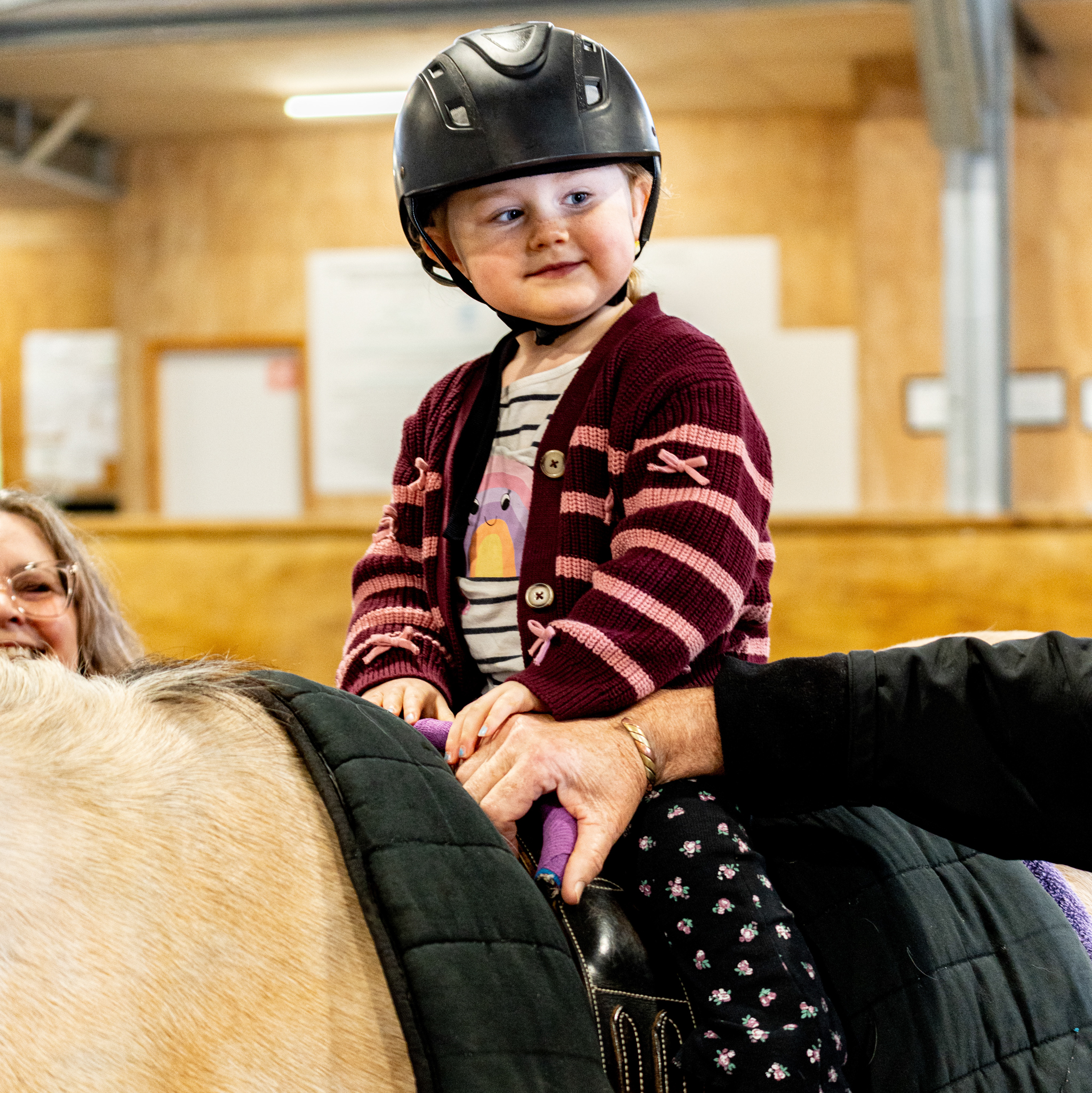
Every step of the horse provides carefully graded, rhythmic movement that requires Kate to make hundreds of small postural adjustments throughout each session. As the horse moves beneath her, she instinctively activates her core, trunk, hips and back muscles to stay balanced and upright. These continuous adjustments strengthen the deep stabilising muscles that are essential for sitting, standing, walking and maintaining good posture.
Unlike traditional exercises, these movements happen naturally and repeatedly throughout the ride. The horse’s three-dimensional gait gently challenges Kate’s balance from every direction, encouraging automatic postural responses while providing constant sensory feedback to her brain. This repeated practice helps improve body awareness (proprioception), balance, coordination and motor planning, allowing new movement patterns to develop over time.
The horse’s walk closely mirrors the movement of the human pelvis during walking, making it a remarkably effective therapeutic tool for children with cerebral palsy. With every stride, Kate practises the same weight shifts, pelvic rotation and rhythmic movement patterns needed for independent walking. These repeated experiences help reinforce more efficient gait patterns while improving trunk control, symmetry and coordination.
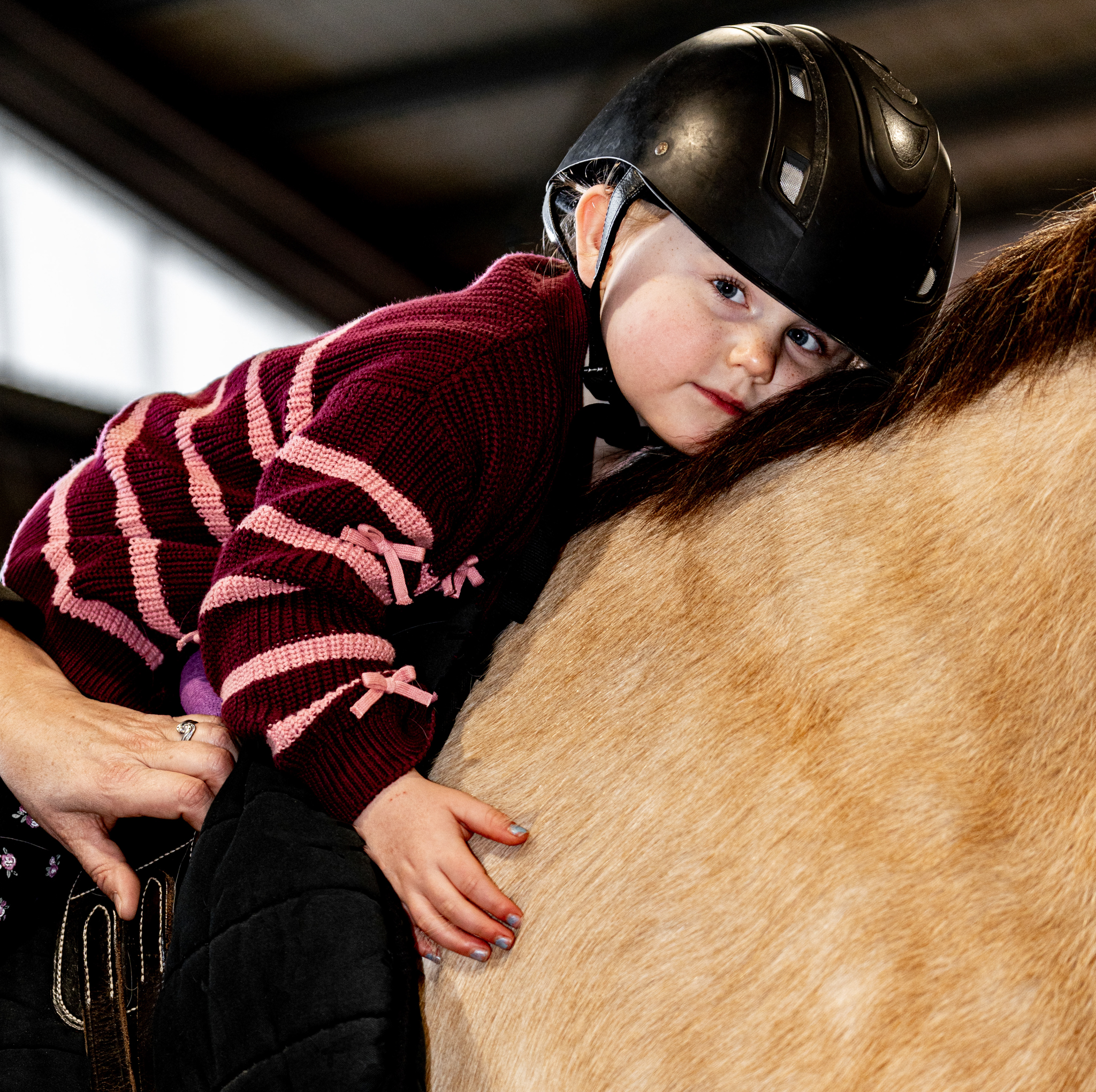
The movement of the horse also encourages greater flexibility through Kate’s hips and pelvis, helping reduce stiffness and allowing her body to move more freely. As her postural control improves, she is better able to maintain an upright position, transfer her weight effectively and develop the stability required for walking with greater confidence and independence.
For young riders like Kate, early intervention is critical. During these early years, the brain is developing rapidly and is highly responsive to new experiences. Therapeutic horse riding provides thousands of meaningful movement opportunities that help strengthen the neurological pathways responsible for balance, coordination and functional movement, giving children the best possible opportunity to reach their full potential.
Every ride represents far more than time spent on horseback. It is a carefully planned therapeutic intervention, delivered in partnership with qualified therapists and trained coaches, that helps Kate build the strength, stability and confidence she needs to take her next steps towards greater independence.
For children like Kate, every ride is an investment in the future. Early intervention through therapeutic horse riding requires specialist knowledge to ensure every movement supports a child’s developing body and helps them build the foundations for greater independence.
Behind every NZRDA programme is a nationally governed framework of quality assurance, coach training and continuous improvement. All NZRDA coaches hold recognised qualifications, undertake ongoing professional development, and deliver programmes in accordance with nationally recognised standards that are independently audited each year. This ensures every rider receives safe, evidence-informed therapeutic horse riding delivered by skilled professionals, well-trained volunteers and carefully selected horses.
Discover how NZRDA is changing lives in your community. Find your nearest local group to learn about therapeutic horse riding, volunteering, and other ways you can get involved. (FIND YOUR LOCAL RDA HERE)
Explore More Therapeutic Riding Stories
How you can support NZRDA
Stay Connected
Sign up to our e-news below to receive rider stories, research, updates and opportunities to support NZRDA.