Therapeutic Horse Riding Is Helping Nyah Build Confidence and Independence.
Riding Helps Nyah keep up with her classmates. Its Not Just Pony Rides in Paddocks
Through therapeutic horse riding, Nyah is building the strength, coordination and confidence she needs to participate more fully at school. Every ride helps improve her balance, communication and independence, empowering her to learn, play and participate alongside her classmates, giving her greater confidence in the classroom and beyond.
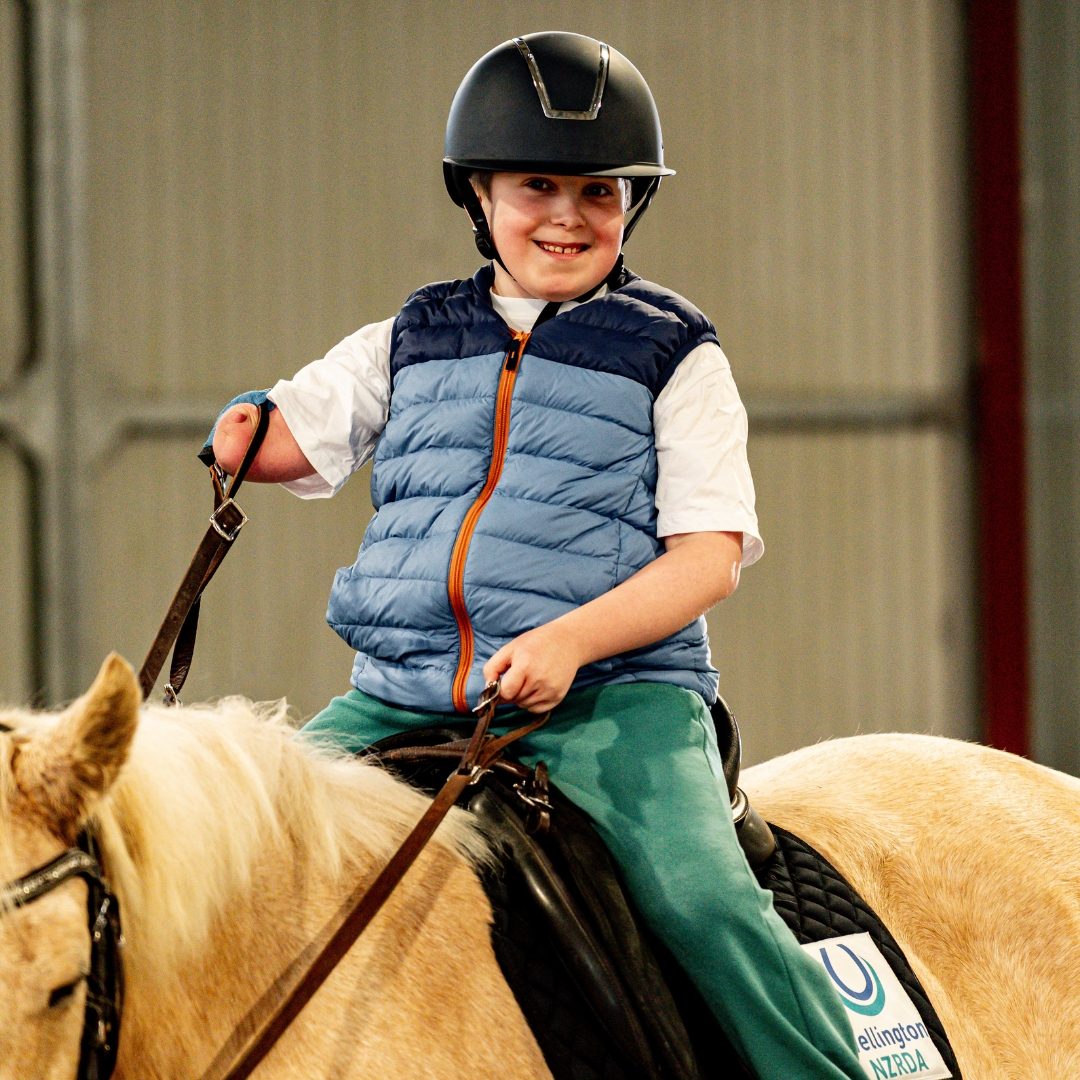
At first glance, Nyah is just like many other 10-year-olds. She loves pizza, adores her two dogs, Flint and Indy, and looks forward to spending time with horses every week at New Zealand Riding for the Disabled (NZRDA). Ask anyone what she enjoys most and they’ll tell you it’s being with her horse and her ride team, laughing her way through activities that, to her, simply feel like fun.
Behind those smiles, however, is a carefully planned therapeutic programme designed to help Nyah overcome the everyday challenges associated with Down syndrome. Like many children with Down syndrome, Nyah experiences low muscle tone (hypotonia), which affects her balance, posture, coordination and endurance. Tasks many people take for granted – sitting upright in the classroom, climbing playground equipment, carrying her school bag or keeping up with friends during games – can require considerably more physical effort.
Every activity Nyah completes at NZRDA has a clear therapeutic purpose. While she sees games, obstacle courses and challenges, her coach sees opportunities to strengthen the physical, cognitive and communication skills that support greater independence at home, at school and in the community.
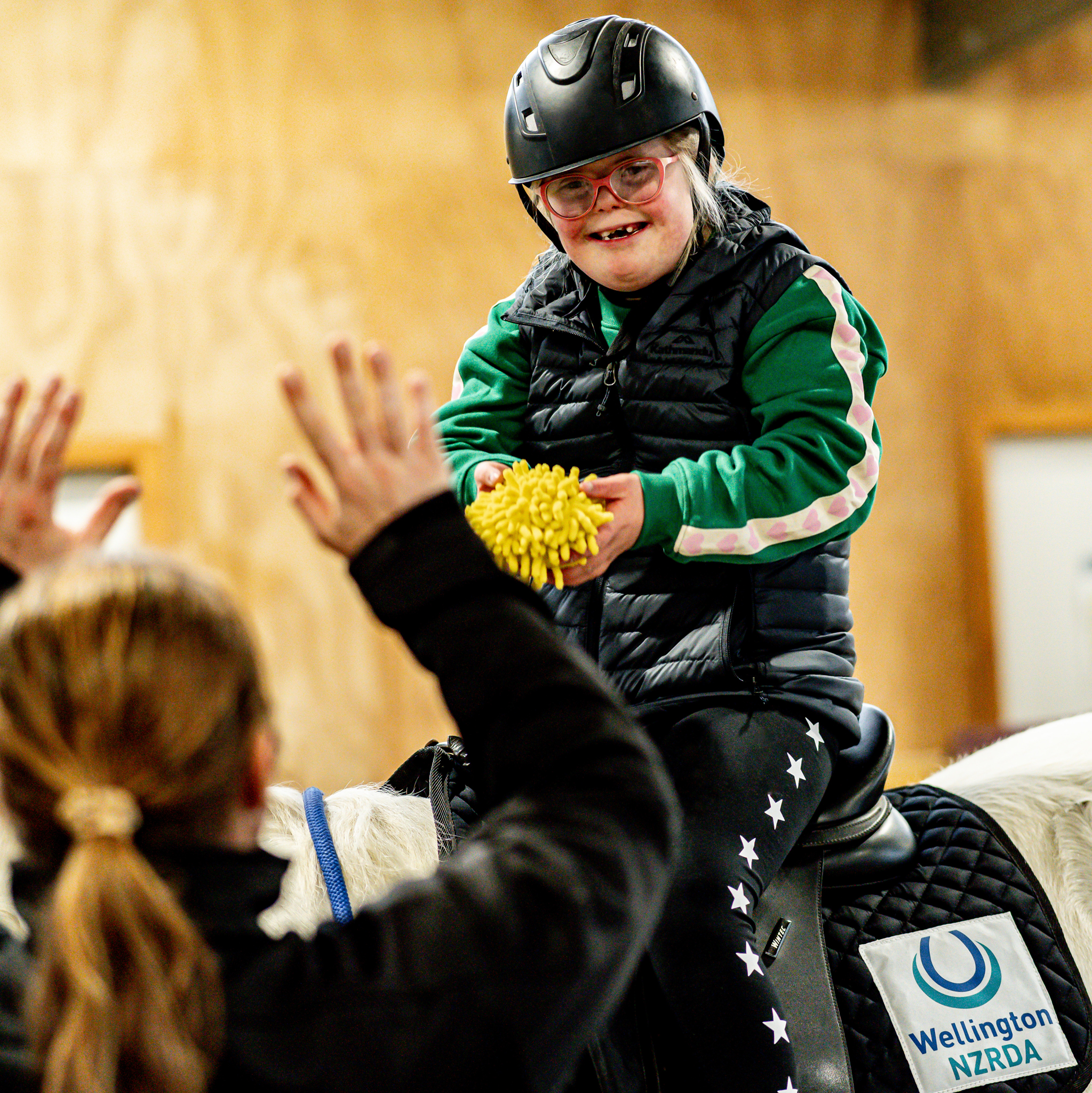
A key part of Nyah’s programme is the movement of the horse itself. As the horse walks, its rhythmic, repetitive, three-dimensional movement (rotational, lateral and anterior-posterior) closely mirrors the movement of the human pelvis during walking. Every stride requires Nyah to make continuous postural adjustments, engage her core muscles and adapt her balance to the constantly changing movement beneath her. This dynamic movement provides rich proprioceptive and vestibular input, helping her body better understand where it is in space while encouraging improved muscle activation, postural control and coordination.
Unlike many clinic-based interventions, the horse delivers thousands of purposeful movement patterns during a single session. The movement can be carefully graded by changing the horse’s direction, speed, pace or the activities Nyah completes while riding, allowing her programme to continually evolve as her strength, balance and confidence develop. As these skills improve, the support provided by her ride team can gradually be reduced, encouraging greater independence and allowing Nyah to take increasing responsibility for her own riding.
While maintaining her balance on a moving horse, Nyah reaches for objects, throws beanbags through hoops, shoots basketballs and places equipment in carefully planned locations around the arena. These enjoyable activities strengthen her hand-eye coordination, bilateral coordination and motor planning while improving upper body strength, shoulder stability and functional movement patterns. Every game is individually selected to support measurable therapeutic goals, although to Nyah it simply feels like another exciting challenge.
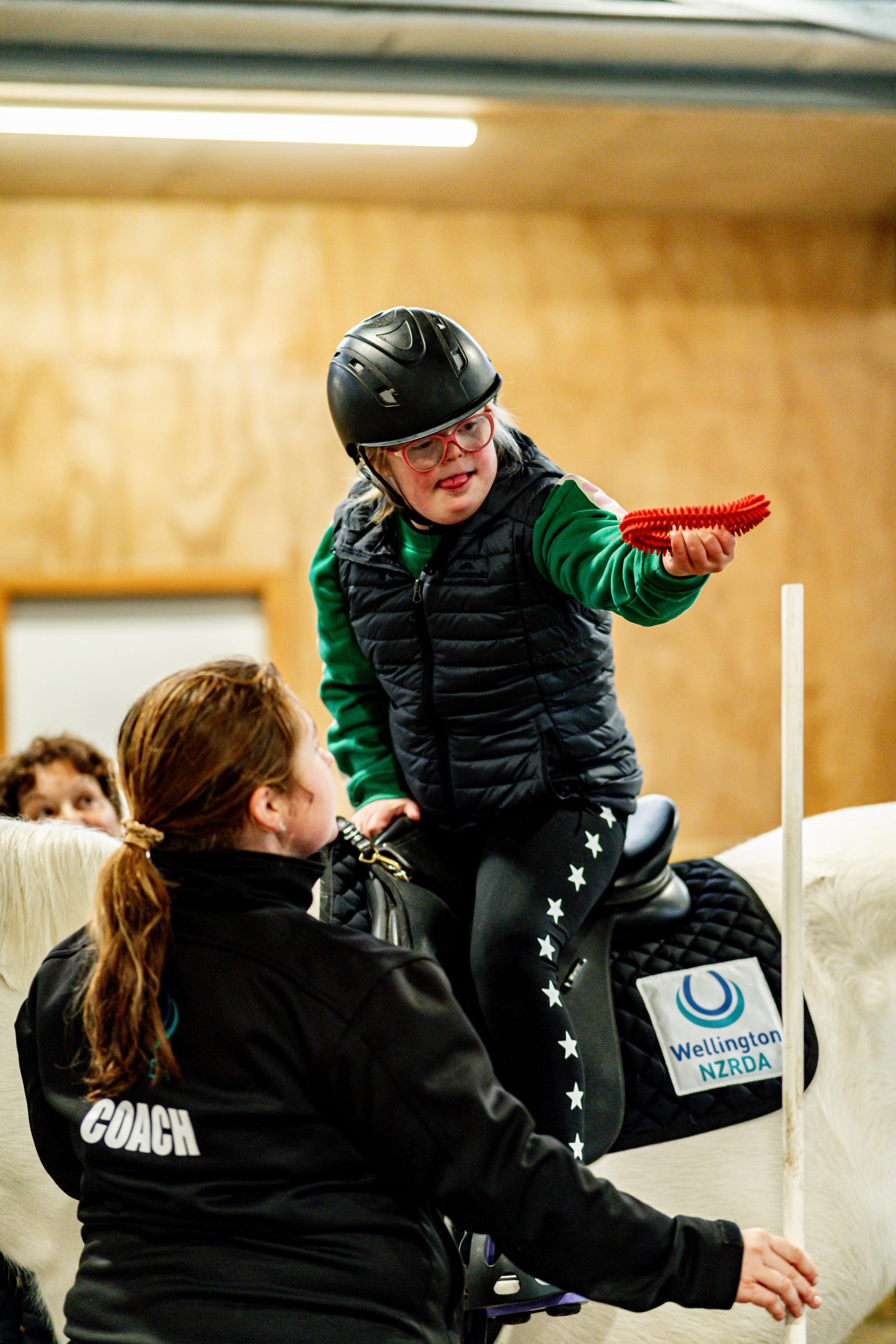
Communication is another important focus of every session. Nyah uses a combination of spoken words, signs, gestures and body language to communicate with those around her. Throughout each lesson, her ride team actively encourages conversation by asking questions, offering choices and celebrating every success. Learning to confidently ask her horse to “walk on” or “halt” using verbal and signed commands provides immediate positive reinforcement as the horse responds to her instructions. These moments help strengthen not only her communication skills but also her confidence, decision-making and understanding that her actions have purpose and influence.
One of the most powerful aspects of therapeutic horse riding is that it places the rider in control. At NZRDA, Nyah isn’t simply following instructions – she is making choices, solving problems and taking responsibility for her own activities. Whether she’s selecting equipment, remembering the next task, waiting patiently for her turn or independently putting on her riding helmet, every part of the session supports the development of life skills that extend well beyond the arena.
Many of Nyah’s activities are also linked directly to her educational goals. Colours, numbers, letters and simple sentences are incorporated naturally into games and challenges, reinforcing classroom learning while developing attention, memory, sequencing and self-management skills. Because these concepts are learned through movement, play and meaningful experiences, they become engaging opportunities to build confidence rather than simply another lesson.
Yet perhaps the greatest impact of NZRDA can’t be measured by clinical goals alone.
Each week, Nyah experiences success in an environment where she is encouraged to focus on what she can do, rather than what she finds difficult. She is surrounded by a team who celebrate every achievement, no matter how big or small, and who see her potential before they see her diagnosis. As her confidence continues to grow, so to does her willingness to try new things, communicate with others and take on challenges that once seemed beyond her reach.
For her family, these changes are seen not only during her riding sessions but in everyday life. Greater confidence, increasing independence, improved participation at school and stronger communication skills are milestones that create lasting change long after she leaves the arena.
Nyah’s greatest achievements aren’t measured by how well she rides. They’re reflected in every new skill she masters, every conversation she initiates, every challenge she approaches with confidence and every opportunity she now has to participate more fully in the world around her.
Because at NZRDA, the goal has never simply been to teach children to ride horses.
It’s to help children like Nyah discover just how capable they truly are.
Nyah’s growing confidence didn’t happen by chance. Every activity is carefully designed to strengthen the physical, communication and life skills that help her participate more fully at home, at school and in her community.
Behind every NZRDA programme is a nationally governed framework of quality assurance, coach training and continuous improvement. All NZRDA coaches hold recognised qualifications, undertake ongoing professional development, and deliver programmes in accordance with nationally recognised standards that are independently audited each year. This ensures every rider receives safe, evidence-informed therapeutic horse riding delivered by skilled professionals, well-trained volunteers and carefully selected horses.
Discover how NZRDA is changing lives in your community. Find your nearest local group to learn about therapeutic horse riding, volunteering, and other ways you can get involved. (FIND YOUR LOCAL RDA HERE)
Explore more Therapeutic Riding Stories
How you can support NZRDA
Stay Connected
Sign up to our e-news for more stories like Nyah’s, programme updates, and news from across the NZRDA network.